Have you recently come across the word Cyanová and wondered what it means? Its unusual spelling makes it look like a special color, a creative brand, or even the name of a modern design trend. The term is closely associated with cyan, a bright blue-green color used in digital graphics, printing, photography, and visual design.
Cyanová is an interesting keyword because its meaning depends on the context in which it appears. It is often used online when discussing cyan-inspired colors and aesthetics, but it should not automatically be treated as the name of a separate, officially standardized shade. This guide explores its meaning, color characteristics, background, practical applications, and the differences between cyan and similar colors.
What Is Cyanová?
Cyanová is commonly used online as a descriptive term associated with cyan or a cyan-like blue-green appearance. The spelling also resembles a Czech or Slovak-style word form, where adjective endings can change according to grammatical gender. This linguistic appearance helps explain why the term may look unfamiliar to English-speaking readers.
It is important to distinguish the word from the established color name cyan. Cyan is a recognized color in digital design standards, while Cyanová does not have one universally accepted HEX, RGB, CMYK, or Pantone specification. Therefore, its exact appearance may vary depending on the designer, website, product, or context using the term.
Understanding the Cyanová Color and Its Visual Characteristics
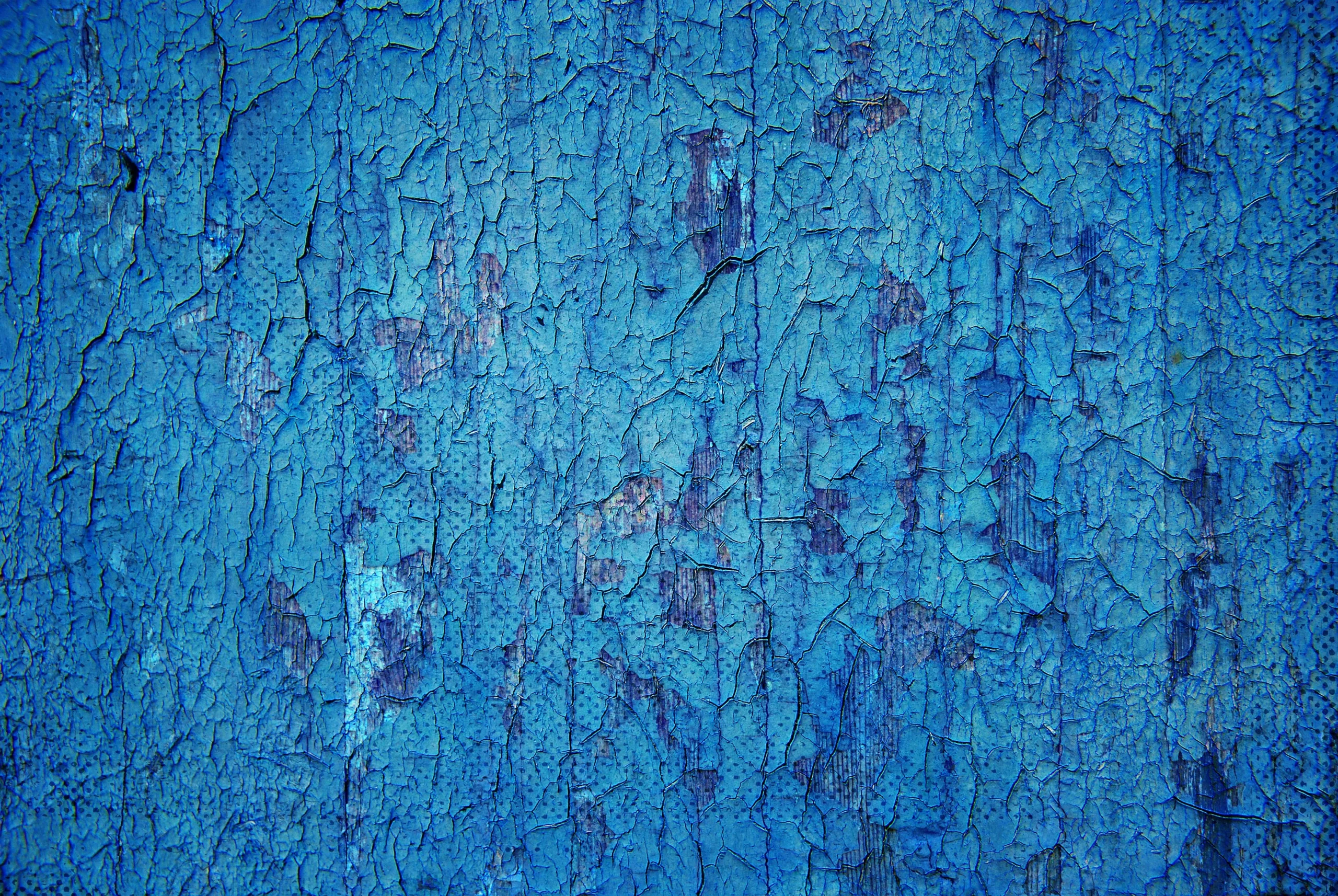
When people use Cyanová to describe a color, they generally have a bright or fresh blue-green appearance in mind. Cyan sits between blue and green, creating a noticeable shade that can feel energetic, clean, and modern. Depending on its intensity, it may resemble clear tropical water, a bright digital interface, or a vivid graphic accent.
A useful technical reference is standard web cyan, which has the HEX code #00FFFF and RGB values of 0, 255, 255. However, this is the standardized CSS color cyan, not a universal technical definition for Cyanová. Anyone working on a professional design should select and record an exact color value instead of relying on the name alone.
Cyanová vs. Cyan, Turquoise, Teal, and Aquamarine
Cyanová is often discussed alongside other blue-green colors because their appearances can overlap. Nevertheless, cyan, turquoise, teal, and aquamarine are not identical. Understanding their general differences makes it easier to choose the right shade for a website, advertisement, illustration, or interior design project.
- Cyan: A bright blue-green color, commonly represented online by #00FFFF.
- Turquoise: A blue-green shade that can lean slightly toward green and may have a softer appearance.
- Teal: A deeper, darker, and more subdued blue-green color.
- Aquamarine: A lighter, softer shade that often has a fresh green-blue appearance.
- Cyanová: A descriptive term associated with cyan-like coloring, without one universal technical color value.
These descriptions are useful starting points, but the appearance of a color can change across screens, lighting conditions, and materials. For accurate matching, use numerical color values or a physical color reference.
How Cyanová Can Be Used in Modern Design
Cyan-inspired shades can be useful in many creative projects because they attract attention without always feeling as strong as pure blue or green. In website design, a cyan-like color can highlight buttons, icons, links, headings, and selected interface elements. It can also create a fresh visual identity for technology, education, travel, and creative businesses.
In graphic design, this color family works well for promotional banners, social media graphics, digital illustrations, and presentation slides. For example, a travel company might use a softer cyan background with white text and ocean photography to communicate freshness and relaxation. A technology website might combine a vivid cyan accent with dark navy backgrounds for a more futuristic appearance.
Cyanová in Branding, Fashion, and Interior Decoration
Color selection plays an important role in how people recognize and remember a brand. A cyan-inspired palette can help a business create a clean, energetic, and contemporary visual identity. However, using a bright shade everywhere can make a design feel overwhelming, so it is often more effective to combine cyan with neutral colors such as white, charcoal, gray, or navy.
The same principle applies to clothing and interior decoration. Cyan-like accessories, cushions, artwork, or decorative details can add freshness to a neutral room without requiring a complete redesign. In fashion, cyan can be used as a statement color or balanced with denim, white, beige, and black. The best combination depends on the desired style and the intensity of the selected shade.
Color Psychology and the Importance of Accessibility
Blue-green shades are often associated with water, freshness, clarity, and modern technology. These associations can influence the mood of a design, although individual reactions to colors vary according to culture, personal experience, and context. A bright cyan may feel lively and attention-grabbing, while a softer blue-green shade can create a calmer impression.
Accessibility is equally important when using Cyanová or any bright color online. Very bright cyan backgrounds can make white text difficult to read, while cyan text on a white background may also lack sufficient contrast. Use a contrast checker, test your design on different screens, and never communicate important information through color alone. Clear labels, icons, and readable text help make a design more accessible.
Frequently Asked Questions About Cyanová
What does Cyanová mean?
Cyanová is commonly used online in connection with cyan-like or blue-green coloring. Its spelling also resembles a Czech or Slovak-style adjective form. The exact meaning should be understood from the context in which the word appears.
Is Cyanová an official color?
Cyanová does not have one widely established technical color specification. Standard cyan, however, is a recognized CSS color with the HEX value #00FFFF. It is more accurate to use that standard value when referring specifically to web cyan.
What is the HEX code for Cyanová?
There is no single universal HEX code for Cyanová. If you want a standard bright cyan for a digital project, you can use #00FFFF. For a different cyan-inspired appearance, choose a specific HEX or RGB value and use it consistently.
Is Cyanová the same as turquoise?
No, the terms should not automatically be treated as identical. Both are associated with blue-green colors, but turquoise can have a different balance of blue and green. The exact appearance depends on the shade being used.
Which colors work well with Cyanová?
Cyan-inspired shades can pair nicely with white, charcoal, black, navy, light gray, and beige. These combinations can create a clean and balanced appearance. The best choice depends on whether the project needs a bright, modern, calm, or professional look.
Can Cyanová be used in website design?
Yes. Cyan-like shades can be used for buttons, icons, highlights, backgrounds, and branding elements. Designers should check text contrast, keep the color palette consistent, and test the finished website on mobile and desktop screens.
Conclusion
Cyanová is an intriguing term connected with the visual world of cyan and blue-green colors. Its distinctive spelling may suggest a new color, brand, or design movement, but it is more accurate to understand it as a descriptive or context-dependent term rather than a universally standardized color name.
For practical design work, standard cyan offers a reliable starting point with its recognized HEX value of #00FFFF. Whether you are creating a website, developing a brand identity, designing clothing, or decorating a room, choosing an exact shade and combining it thoughtfully with other colors will produce better results. Understanding the difference between Cyanová as a descriptive term and cyan as a standardized color helps you make informed creative decisions.